
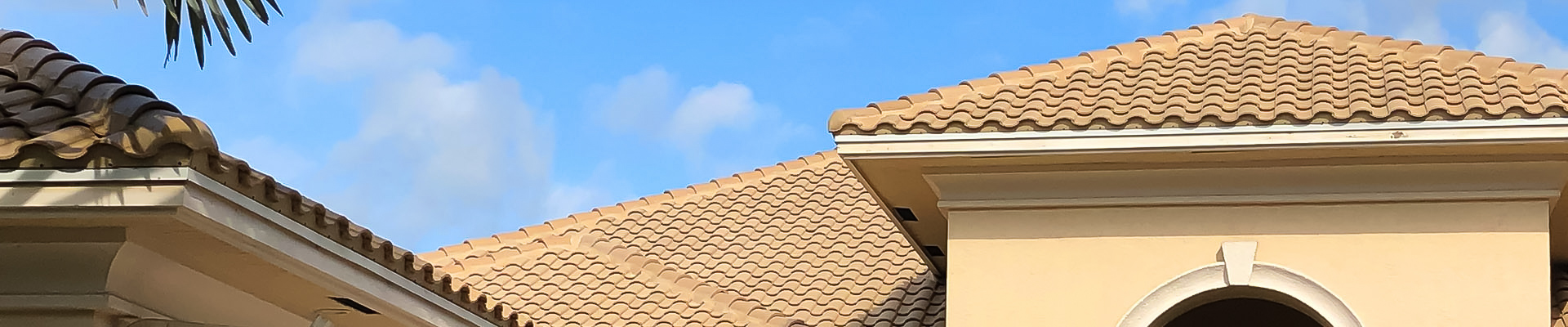
Planning a Re-Roof After Hurricane Season: A Fall Timeline for Boca Raton Homeowners
By mid-September, a lot of homeowners in Boca Raton and the rest of Palm Beach County have already made a quiet decision: the roof is getting replaced. Maybe it was an inspection before the peak of hurricane season. Maybe it was a renewal letter from the insurance company, or a leak that came back for the third time this summer.
Whatever got you here, the good news is that the next few months are a smart time to plan a re-roof. The hard part isn’t the tear-off. It’s everything that has to happen before a crew can start. Here’s how to use the fall to get ready, so the work can happen once the weather settles.
Why Plan Now and Build Later
South Florida’s rainy season usually winds down in October, and hurricane season officially ends November 30. The drier months that follow make for steadier scheduling: fewer afternoon storms interrupting tear-off and dry-in, and less chance of a roof sitting open with rain in the forecast.
But a re-roof in Boca Raton isn’t something you book one week and start the next. Between architectural approval, permitting, and material selection, there’s real lead time. If you start the paperwork in the fall, you’re in a much better position to actually be on the schedule when conditions are best.
Step 1: Get a Real Inspection and a Written Quote
Start with an on-site inspection by a licensed roofing contractor, not a number over the phone. A good inspection tells you what’s failing, how much life is left, and whether a repair can carry the roof a while longer. If you’re replacing, the written quote should spell out the material and system, how any deck repairs will be priced once the old roof is off, the permit, and the product approvals being used.
If you’re comparing quotes, our guide to what drives roof replacement cost in Boca Raton explains how to line them up fairly.
Step 2: Choose Your Material
This is the decision that shapes everything else, including HOA approval, lead times, and the look of your home for the next few decades. Most of the roofs we replace are tile, with a smaller share in standing seam metal, and some homes are a good fit for shingle.
- Concrete and clay tile is the standard in many Boca neighborhoods and is sometimes required by the HOA. The tile lasts a long time. What usually decides a tile roof’s life is the underlayment beneath it.
- Standing seam metal has a long service life and is a common choice for homeowners who plan to stay.
- Shingle can work well where the home was framed for it and the community allows it.
If you’re torn, our comparison of tile vs. shingle roofs is a good place to start. Profile and color matter too, especially if your community has an architectural review board. It’s worth settling those before anything gets submitted.
Step 3: Get HOA or Architectural Approval
This one catches people off guard. Many communities in Boca Raton, especially the country clubs, run their own architectural review, and some specify the tile profile and color you’re allowed to use. That approval usually needs to be in hand before the permit is submitted, so it belongs at the very front of the schedule.
Review boards meet on their own calendars, and a submission that’s missing a sample or a spec sheet can get pushed to the next meeting. Getting this started in the fall is one of the easiest ways to avoid a delay later. A contractor who does this work regularly can help you put the submission together.
Step 4: Permitting
Every re-roof in Boca Raton is a permitted job. The City of Boca Raton’s Building Division handles homes inside city limits, and Palm Beach County handles unincorporated areas with a Boca mailing address, so the first thing to confirm is which jurisdiction your home is actually in.
The roofing contractor should pull the permit under their own license. The permit application lists the roof system and the Florida Product Approvals for the underlayment, covering, and fastening. On larger jobs, a recorded Notice of Commencement is part of the process too. If you want the full picture, our page on Boca Raton roofing permits and building code walks through it.
Step 5: Line Up the Details at Home
A few small things make installation week easier for everybody:
- Plan where cars will park and how the crew will reach each side of the house.
- Think about anything in the attic that should be covered, since some dust is normal during tear-off.
- Let your neighbors know roughly when the work will happen.
- Take down wall hangings on walls that share the roof line if they’re fragile.
- Talk to your insurance agent about what documentation they’ll want once the new roof is finaled.
What the Re-Roof Itself Looks Like
Once the approvals and permit are in place, the work follows a predictable sequence. The old roof comes off down to the deck. The deck is inspected, damaged sheathing is replaced, and the deck is re-nailed to current Florida Building Code. That’s typically the first inspection. Next comes the secondary water barrier and underlayment, which is inspected at dry-in. Then the new tile, metal, or shingle goes on, and a final inspection closes out the permit.
Each stage has to pass before the next begins, which is why a re-roof takes longer than the tear-off alone suggests. We walk through the whole process step by step in what to expect with a roof replacement.
The Insurance Side
For a lot of homeowners, the reason to re-roof now is the insurance renewal, not a leak. A new roof resets the roof age your insurer sees, and a roof built to current code can improve several items on a wind mitigation report. Florida law also gives some protection to homeowners with roofs 15 years or older, but it doesn’t guarantee your premium or coverage terms. Our guide to roof age and homeowners insurance covers what applies.
Frequently Asked Questions
Can I re-roof during hurricane season?
Yes, roofs get replaced year-round in South Florida. Crews plan around the weather and dry-in the roof as they go. Many homeowners simply prefer to schedule for the drier months when there’s less chance of storm delays.
How far ahead should I start planning a re-roof?
If you’re in a community with architectural review, start as early as you can, since approval usually comes before the permit. Starting in the fall gives you room to handle approvals and permitting without rushing.
What happens if my roof leaks while I’m waiting?
Get it repaired. A targeted repair can keep water out while the approvals and permit move forward. There’s no reason to live with a leak because a replacement is on the calendar.
Do you handle the permit and HOA paperwork?
Yes. We handle the permit and inspections, and we help with your community’s architectural approval as part of the job.
Start Planning Your Re-Roof
Caldwell Roofing has been re-roofing South Florida homes for over 40 years, and our own employees do the work on every roof, never subcontractors. We serve homeowners from Lighthouse Point north through Jupiter. Learn more about our reroofing services, or call 561-392-0971 to set up an inspection and a written quote.